Loading Bay Door Springs
Hamilton Dock Doors
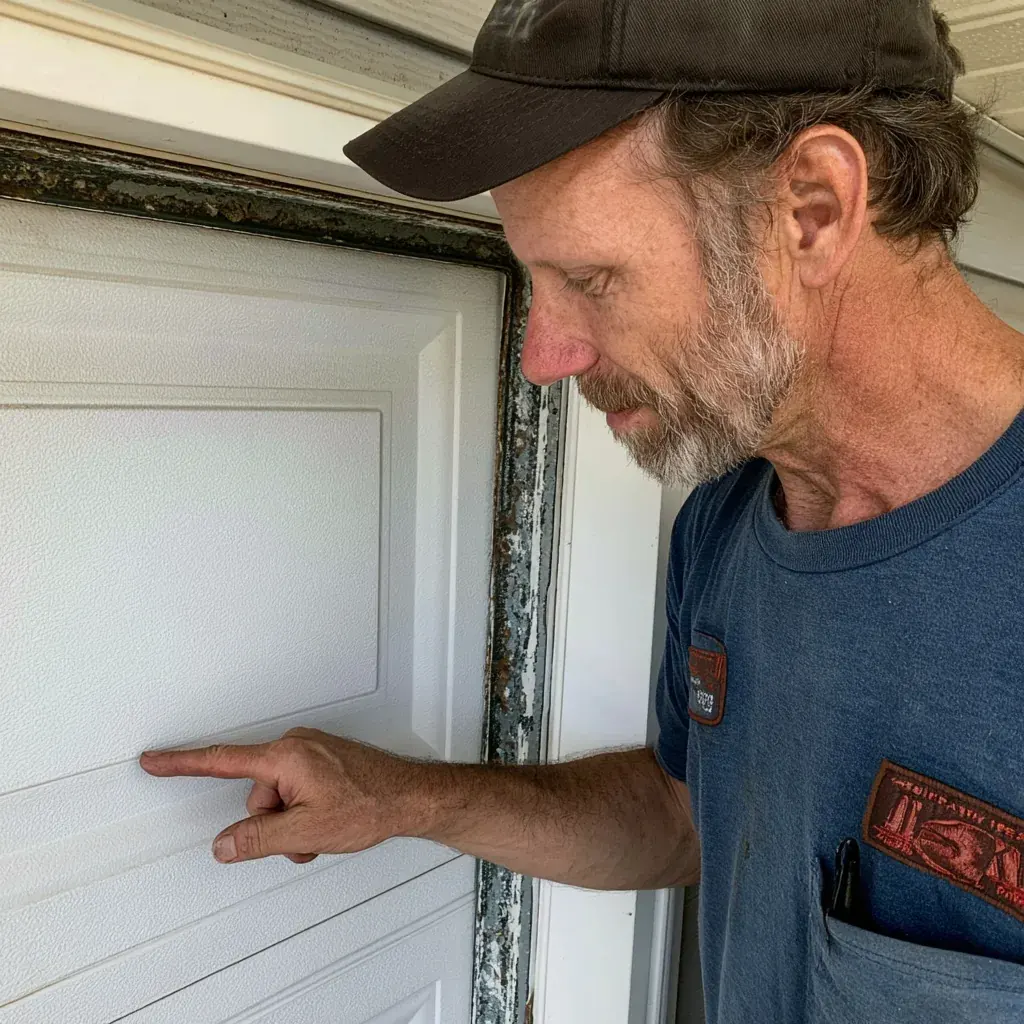
Plan multi-unit garage spring work around resident access, phased repairs, and a record the next building contact can use.
Plan shared-garage spring work in phases: secure one repair area, keep another usable entrance or route open when the layout permits, and shift access only after the active door is checked. Record the work by opening so building contacts can track each stage.
The cost of multi-unit garage spring repair depends on the door, the hardware that needs attention, and how work can be staged while residents still need access. In Hamilton, a useful plan begins with the building’s door list, a contact who can approve the requested scope, and a clear view of busy entrances. At a parking structure near the Great Miami River corridor, for example, separating the affected opening from nearby routes can help keep the work focused. Lease, insurer, and inspector requirements are worth checking before the schedule is set.
A door that hesitates, hangs unevenly, or stops partway can slow a shared entrance and leave people unsure which route remains open. In Hamilton, note the opening label, what the door did, and when the issue appeared; those details help a pro assess the job and help you plan resident notices. If a garage near Marcum Park has several entrances, identify the one affected and the available route around it. A short, specific report gives the building contact a clearer basis for arranging access and documenting the interruption.
For an HOA or apartment building in Hamilton, name the person authorized to release the opening and confirm the agreed work scope before a visit is arranged. That contact can also identify access limits, resident communication needs, and any building records the pro should complete. This process clarifies who is coordinating the work without deciding who is responsible for the common area. Around RiversEdge Amphitheatre, a garage serving several households still benefits from one clear handoff: the person coordinating access, the opening involved, and the records expected at completion.
The number of daily openings matters because spring wear follows use. One cycle means the door opens and closes once; a cycle rating describes counted movements rather than a span of time. In a Hamilton parking structure where residents come and go throughout the day, an entrance can accumulate use differently from a door reserved for occasional access. Keeping a separate usage note for each opening gives the building contact and pro better context when planning maintenance and reviewing what an insurer or inspector may ask to see.
A standard torsion spring is commonly rated near 10,000 cycles, while high-cycle choices often begin at 25,000 cycles. Those ratings help compare expected duty, but they do not promise a particular service life. For a Hamilton multi-unit garage, ask the pro to document the selected spring type and rating, and explain how the choice fits the door’s use. That information can support a building maintenance record and help you respond accurately if a lease, insurer, or inspector asks what hardware was installed.
| Work factor | Shared garage | One door |
|---|---|---|
| Door status | Mark the affected bay unavailable | Reopen after the repair and operating check |
| Usage pattern | Identify entrances with repeated daily traffic | Share door use to guide spring selection |
| Resident path | Set a clear route around the work | Tell residents which entry remains available |
| Repair order | Schedule work in manageable door groups | Keep other usable openings in service |
| Approval contact | Name who can authorize common-area work | Confirm approved scope before setting a visit |
| Safety boundary | Keep foot traffic outside the work zone | Route foot traffic along a marked bypass |
| Review notes | Record checks requested by the inspector | Keep findings available for insurer review |
| Property file | File Hamilton work under the door location | Separate West Chester and Union Centre records |
Before work is scheduled in Hamilton, identify the building representative who can approve the requested scope and arrange access to the affected door. Share any restrictions on the opening, resident routes, or work hours, along with the record format the building needs. The person coordinating the job can confirm those details with the independent local spring pro. Keep the approval tied to a specific opening and task so the work plan, access notice, and final service note all refer to the same job.
When more than one door needs attention, phased repairs can preserve use of unaffected entrances while the pro works through the building. In a Hamilton garage, sequence openings by location or access role, then mark which route is unavailable during each part of the job. The sequence should leave the building contact time to communicate changes before residents arrive. A simple door-by-door plan also makes it easier to match each repair record to the entrance that was worked on.
Choose a work window with the garage’s actual traffic pattern in mind, then make the access plan visible to residents and staff. A Hamilton building contact can note when the affected entrance will be unavailable, which alternative remains open, and who can answer questions on site. Check any lease, insurer, or inspector instructions that apply to scheduling or notices before setting the window. Clear timing helps prevent an avoidable queue and gives the pro a defined period to complete and record the work.
A building record should let someone identify the door and understand what happened without relying on memory. For a Hamilton property, keep the opening label, reported problem, inspection findings, work completed, parts replaced, and completion date together. If an insurer or inspector later asks about maintenance, this file can show the sequence of events and the scope that was authorized. Keep each entrance’s history distinct; a general note that service occurred does not show which door or parts the visit concerned.
Ask the pro to record the spring type and cycle rating when available, along with relevant findings about cables, drums, rollers, hinges, or bearings. These components work together, so a note about their condition helps explain why the repair included more than the spring. In Hamilton, retain the service record with the building’s maintenance files and compare it with any documentation request from the lease, insurer, or inspector. DASMA publishes technical information used in the door industry, including data behind cycle ratings.
If a shared door will not lift or sits crooked, keep the opening out of use until a pro can assess it and direct people to another route. Springs store force, and winding or releasing a loaded spring can cause fatal injury. In Hamilton, do not ask residents or building staff to adjust spring tension or loosen bottom brackets. Tell the access coordinator which entrance is affected and make the temporary route clear while the building arranges professional attention.
When the work is finished, compare the service note with the scope approved for that Hamilton opening. Confirm that the record identifies the door, describes the work and parts, and flags any unresolved items or follow-up recommendations. If the building has documentation instructions from a lease, insurer, or inspector, check that the completed file addresses them. Keep the note with the opening’s prior history so future planning can account for what was changed and when.
To arrange commercial spring repair in Hamilton, describe the building, the number of garage doors, and how residents use each entrance. Point out which openings have symptoms, when traffic is heaviest, and whether the work may need to proceed in stages. Include the name or role of the person who can approve the requested scope and coordinate access. Mention any record or scheduling requirements you need to check with a lease, insurer, or inspector so the independent local spring pro has useful context.
The pros we connect you with are independent local spring pros. For a Hamilton multi-unit garage, gather the door list, recent service notes, access constraints, and the contact who will coordinate the approved work. Share how each entrance is used and what documentation the building needs after the visit. That gives the pro a practical starting point for discussing the repair and its sequence, while you can confirm applicable lease, insurer, or inspector requirements with the appropriate party.
Commercial spring repair cost depends on spring capacity, the number of affected openings, and how the parking structure can be accessed during work. In Hamilton, a clear scope helps a building contact compare the repair plan with lease, insurer, or inspector documentation requests without treating those requests as approval to proceed. For a garage near Marcum Park, record the door identifier, installed parts, operating checks, and any follow-up recommendation. That history gives the next facilities contact a practical starting point when another opening needs attention.
ZIP and locality labels do not pinpoint every property; check the home's street location against residential spring coverage in Butler, includingFairfield, West Chester and Trenton. Check whether the trip itself appears on the bill, and whether a farther address changes that amount before you book.
Plan commercial spring service around each visit: $189–$459 serves as a budgeting reference. The amount varies with the number and dimensions of openings included and the interval between scheduled checks; a broad site with frequent visits takes different time and scope than a compact account checked less often.On a Hamilton commercial door, width, weight, lift design, and how often it runs shape spring capacity and supporting hardware, so the parts total can change with the opening. When you call, mention the door dimensions if known, its use through the day, and whether it binds or travels unevenly.For complete cost bands, visit pricing guide; commercial overview lays out how a scheduled program is arranged.
Hamilton Dock Doors
Storage Unit Doors
Hamilton Commercial Doors
Yes, when the garage layout and repair plan allow it. The building contact and the pro can identify which entrance or drive aisle must remain usable, then schedule work on a limited area at a time. Residents may need to follow a temporary route while that section is secured. In Hamilton, post the access plan before work begins and update it if the sequence changes.
A designated property manager, HOA representative, or facilities contact should send the request and identify the person authorized to approve the work scope. Include the affected opening and any access constraints, then keep the approval with the service record. This establishes who can coordinate the work and receive the closeout notes; it does not determine who is financially responsible.
Base follow-up timing on how often each door operates and the spring’s rated cycle capacity. One cycle is a complete opening and closing, so doors serving a busy Hamilton parking structure can use their rated life sooner than lightly used openings. Ask the pro to document the rating and recommend a review interval from the observed traffic and hardware condition.
Keep a record for each opening with its location, service date, spring type and rating, parts replaced, and operating checks. Add photographs when they clarify the hardware or the completed repair, along with any recommendation that remains open. A contact reviewing the file for an insurer or inspector can then trace what was done without relying on a staff member’s memory.
Describe your Hamilton building, door count, garage use, and approving contact to connect with the pros we connect you with.
Call +15139620870