Why Spring Adjustments Need a Pro
Hamilton’s documented neighborhoods include varied homes, and the door’s construction affects its weight. A street address or neighborhood name cannot settle wire gauge; the spring match has to reflect the door itself. Fairfield is nearby, but a comparable-looking door there is no substitute for that check.
Hamilton’s Great Miami River corridor and local parks give the city a distinct setting, but they do not predict a spring size or failure pattern. A door near Trenton Community Park still needs a match based on its own load and hardware, whatever the surrounding area.
A caller could be in Hamilton while the garage is elsewhere in Butler. Tell the pros we connect you with where the home is, since the caller’s location does not establish whether that property falls within their service area.
What Carries the Door’s Weight
- GAUGE ROLE
- Wire gauge is one part of a spring specification; the marking helps a pro identify the wire size on existing hardware.
- DOOR MATCH
- The door’s weight sets the lift the spring system must provide. A larger gauge is not a substitute for a correct match.
- LIFE LIMIT
- Cycle rating estimates repeated full door trips, while gauge describes wire size. Neither one alone gives the spring’s expected calendar life.
- COST FACTOR
- A quote may cost more or less depending on the required spring match, whether a matched pair is needed, and related hardware condition.
- SAFE CHECK
- A visible wire marking is only a clue; from a safe distance, note it and ask the pros we connect you with to check the match against door weight and spring dimensions.
- COLD WEATHER
- Hamilton’s winter cold can make a door feel less smooth, while grit carried in during wet or freezing weather adds resistance. Seasonal changes do not correct a poor wire-size match or undo spring fatigue; the door still needs to be balanced for its actual weight.
- ESTIMATE BASIS
- an estimated $189–$459
Reading the Door’s Balance by Its Movement
Spring length names how long the coil is; wire gauge describes the thickness of its wire. Choosing by length alone overlooks the separate wire thickness described by gauge. Cycle rating appears as an expected number of full open-and-close movements, while wire size is listed as a spring specification. On a written quote, look for separate entries; one concerns estimated use before fatigue, the other helps describe the spring’s lifting force.
Checking Door Balance and Opener Settings
The pro first assesses the door’s weight and condition, then identifies the spring’s wire size and other specifications. They note how the door sits and moves, since its balance reflects how well the spring carries the load. The door is secured before loaded hardware is handled.
The pro records the wire gauge, inside diameter, and length, then confirms the spring choice against the door’s weight. Those specifications shape the parts and labor in the quote. The recorded figures give the homeowner a reference when reviewing which spring parts the quote includes.
If the same door develops trouble again after a repair, ask for the cause to be traced before agreeing to recurring service. Ask that the inspection findings be written down so later recommendations can be compared with the original repair. A plan is useful when inspection supports follow-up, not as a substitute for diagnosis.
WHAT A TROUBLESHOOTING VISIT HANDLES BESIDE PLANNED CHECKUPS
| Rated Use |
Recommended Route |
|---|
| A focused service issue, still limited | Matched pair replacement |
| Repair gains fade as door cycles accumulate | bottom bracket condition |
| Age showing across the lift assembly | Matched parts, lift checked |
CONTRACTOR REQUIREMENTSAsk the licensed pros we connect you with whether replacement parts and labor are covered by the written warranty. UL 325 governs residential opener safety. Whether you are near River Center, Bicentennial Commons, or RiversEdge Amphitheatre, ask the invoice to identify the spring wire gauge and labor separately, so you can compare the quoted hardware with what was installed.
Door Sections Can Shift Out of Alignment
Spring trouble and opener safety faults are separate concerns. Continued operation may strain the opener and wear cables, drums, rollers, or hinges; a spring break can then leave the opener facing the full door weight. Repair may involve those affected parts as well as the correctly matched spring hardware.
Opener Safety You Can Check
You can read a visible wire marking from a safe distance without touching or moving the coil, then share it with a pro. You can also consult the opener manual for a displayed fault code or remote instructions. These checks can reveal details about the door or opener while leaving the spring untouched. Its stored force can cause fatal injury.
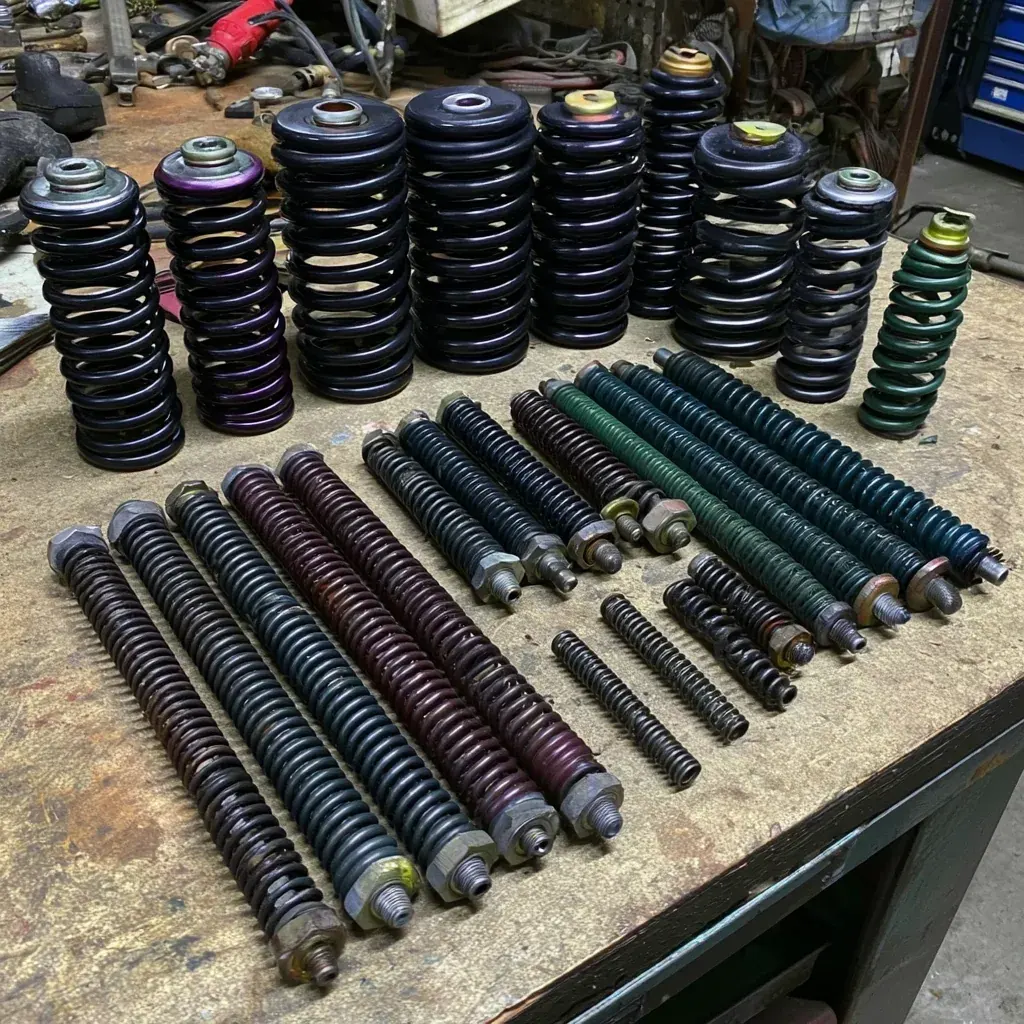
A Cable Through Each Extension Coil
A wrong wire size can leave the door poorly balanced, while a faulty opener safety system creates a separate hazard. A poorly balanced door can put added strain on the opener. If the door fails to reverse as directed, keep people clear and stop automatic operation until it is assessed. Never handle a loaded torsion spring; stored force can cause fatal injury.
What Shapes The Estimate For Spring Service?
Note whether the opener strains or stops as the door moves; that detail can help the licensed pros we connect you with understand what is happening.The spring helps counterbalance the door’s weight, while the opener provides powered movement. Whether you call from near Mill Creek or Union Centre, the pros we connect you with confirm the visit charge and the precise work included directly with you.Check pricing guide for the full spread of charges, then use Torsion Spring Replacement to find the page for this job.