1. Check Rating and Spring Build
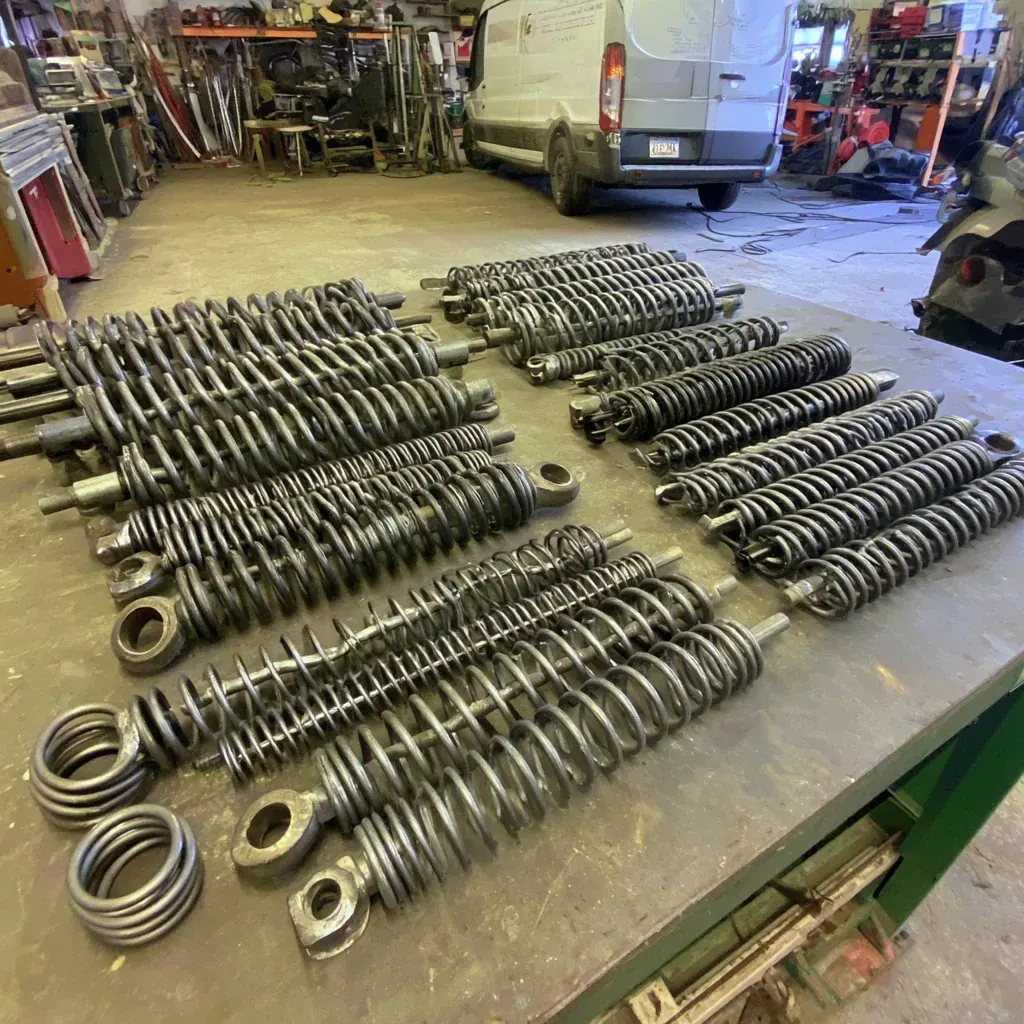
Start by reading the rating on each written option, then compare what the spring is built to do. A 10,000-cycle spring is a common standard choice; a 25,000-cycle spring is made for a larger number of complete door trips. That higher rating can involve different wire gauge, coil diameter, or spring length. Those measurements work together to lift your particular door, so the rating alone cannot confirm a fit. In Hamilton, the upgrade cost also depends on whether the quoted spring matches the door and its existing setup.
Next, check that both options describe the same door movement: fully raised and then lowered counts as one rated cycle. The rating is an estimate of repeated use, not a calendar promise; actual spring life changes with the door’s weight, balance, and mechanical condition. If the door binds or its hardware adds resistance, either spring can wear sooner than its rating suggests. Treat 10,000 and 25,000 as different rated-use totals, then use your household’s real routine to put them in context.
Estimating Spring Cycle Life
Write down how many complete trips this particular door makes on an ordinary day. Include each person’s departures and returns, plus errands, school runs, or other openings; several users can make the count higher than one person expects. Count this door only: guests arriving from Trenton or Elk Creek do not add a cycle unless they use it. Keep the tally for a representative stretch of normal routines, then average it by day. A few unusually busy days can otherwise skew your estimate.
Use that daily average to estimate the calendar span: divide each rating by the average trips per day to get estimated days, then translate that result into years. Repeat the calculation for each option using the same daily figure. This is a planning estimate, not a failure date; changes in door balance, binding rollers, or other strain can shorten spring life. If the door’s use varies by season or household schedule, base the calculation on a typical pattern and keep the uncertainty in mind.
3. Compare Like-for-Like Quotes
Before comparing upgrade cost, place both quotes side by side and check that each states the cycle rating, spring type, and proposed spring dimensions. Wire gauge, inside diameter, and length affect how the spring lifts, so a larger rating by itself does not show that the part suits your door. Ask the pros we connect you with to explain any difference in those specifications and whether each option covers the same work. That gives you a like-for-like comparison instead of two totals attached to different jobs.
Check whether the quote describes replacing torsion springs as a matched pair. If one spring has reached the end of its working life, its partner has shared the door’s use and may be close behind. Also compare any listed hardware or labor so that the rating is not the only item held constant. A higher-rated option and a standard-rated option are comparable only when both are sized for the same door and the quote makes clear what each includes.
4. Note Safe Checks and Stop Points
A cycle rating helps only when the spring is correctly sized for the door. Before choosing between 10,000 and 25,000 cycles, compare wire size, inside diameter, length, spring type, and the work included in each quote. A higher number does not correct a poor fit or a door with added resistance. Ask the pros we connect you with to explain how the proposed part matches your door, then compare options using the same daily-use estimate.
Write down the rating on the paperwork, your typical daily trip count, and the dimensions shown in each quote. Then ask which figures establish the spring’s fit and how the two calendar estimates were calculated. Mention what you saw or heard if the door has begun moving unevenly, and leave inspection or handling of the hardware to a pro. In Hamilton, the useful comparison is the same door, same stated work, and two clearly identified cycle ratings—not a guess based on how a spring looks.
Dealing with this in your home?
Cost depends on the spring hardware and work the door needs, so ask about the visit charge before scheduling. Call +15139620870 with your Hamilton street address and describe what happens when you use the door. The pros we connect you with can tell you whether that address is covered, what availability looks like, and when a visit may be possible. A sudden change in sound can help describe what happens when the door moves. Keep a stuck or uneven door unused until it has been checked.